At this point I knew what the issue was, but to solve it I wanted to understand their root cause. In the process I also found out the areas my solution would lie in.
Crawling down the steps towards the core
By restricting them from misusing phones.
How
Indulging them in much more interesting games.
How
Change of games very frequently.
How
If a single game could serve several purposes.
Solution
Why and how are phones impacting behaviour of kids?
They have become aggressive and irritated.
Problem
Why
Don’t like when they are detached from phone.
Why
Started enjoying content of phone.
Why
Phone has become virtual babysitter
Root cause
Including such skills in modern games.
How
Turning aspects of digital game into reality.
How
Add physical elements to the game.
How
Merge both the mediums, physical and digital.
Solution
Why are classic toys better than modern toys?
Modern toys are more expensive and less impactful.
Problem
Why
Classic toys taught things other than the game itself.
Why
Engaging thus, required help and company.
Why
Complex cognition for fine motor and brain development.
Root cause
As a result of the above mentioned UX research, Root Cause Analysis design strategy was approached for positive user experience.
Problem solving
Kids play and mother’s happy!!
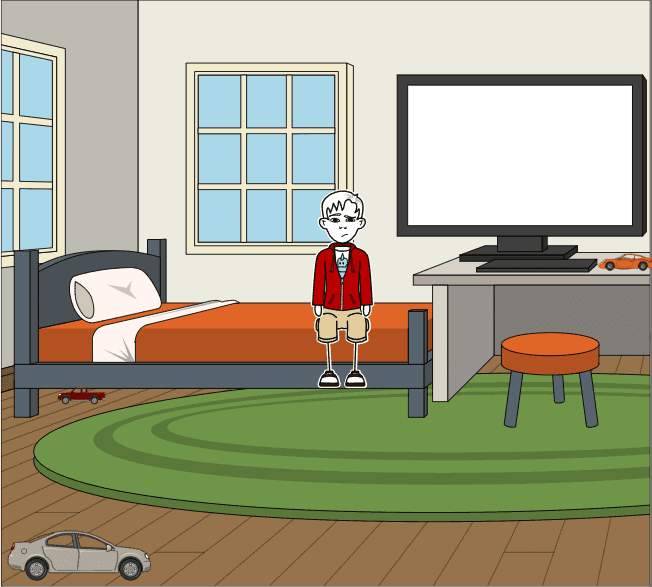
Kabir bored of his toys

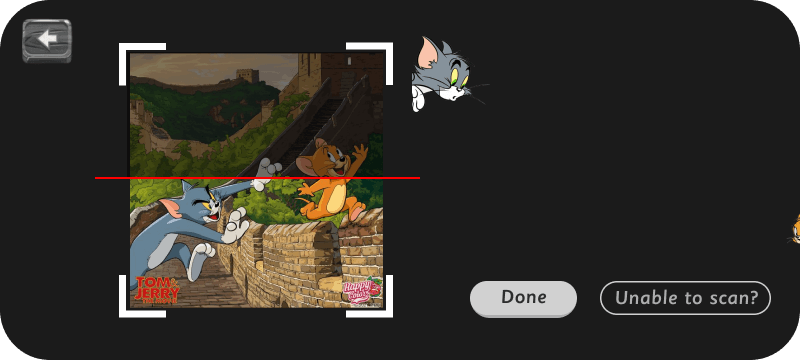
Scans it on his mother’s phone.

His mother gets him PuzzleYou

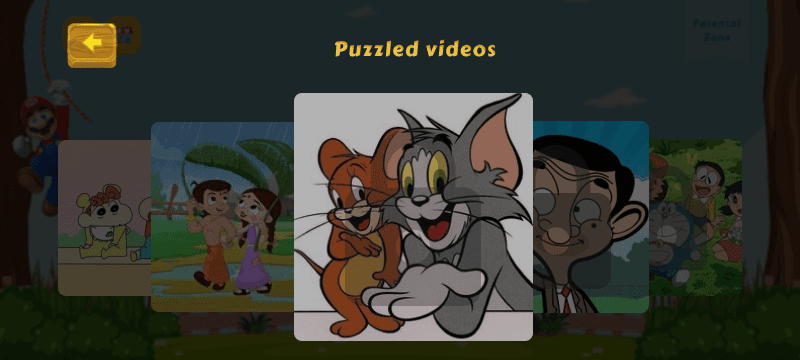
Interact with the cartoon games.

He solves the jigsaw puzzle.
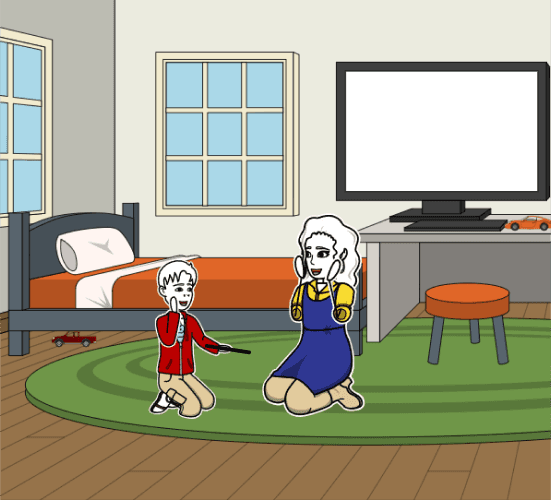
Mother is happy with such engagement.

To them, it's not two separate worlds. It's one world that blends together. It's all just play.”
- Ditte Pedersen, Senior Design Manager, LEGO
“
Defining the play
A combination of digital and analogue play. PuzzleYou would include cartoons as well as board game. Basically, jigsaw puzzle would act as the gateway to unlock the digital level.
Helps in cognition by enhancing mental speed, concentration and short-term memory.
Helps in hand-eye coordination through grasping and matching jigsaw pieces together.
Helps in fine motor skills with finger movements and coordinated piece manipulation.
Helps in brain development with kids' memory and problem solving in interactive play.

Why Jigsaw puzzle?
Why Cartoons?
Kids of early age are drawn to cartoons because of the colourful- imaginative visuals, entertaining storylines and sense of humour. It is a whole world to them until they actually start exploring outside.
Solve
Scan
Interact
Then I prioritized all the possible ideas as primary, secondary and tertiary features using bull’s eye.
Since this was about gaming, I did not hold myself back from being as creative as a ripe sunset. I thought about mediums, engagement and much more.
Exploring possibilities


After forming a good idea of what one of many possible experiences and how the entire game would work, it was time to design.
Let’s develop the solution:

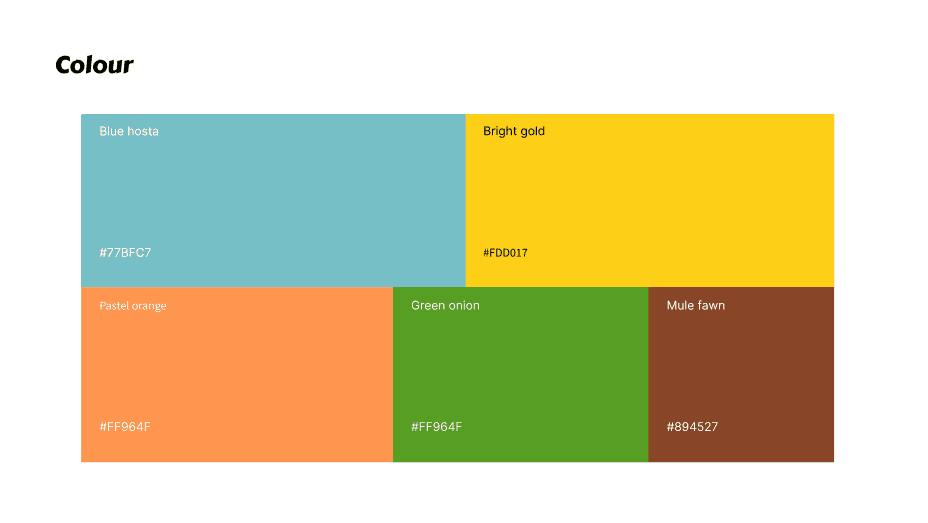
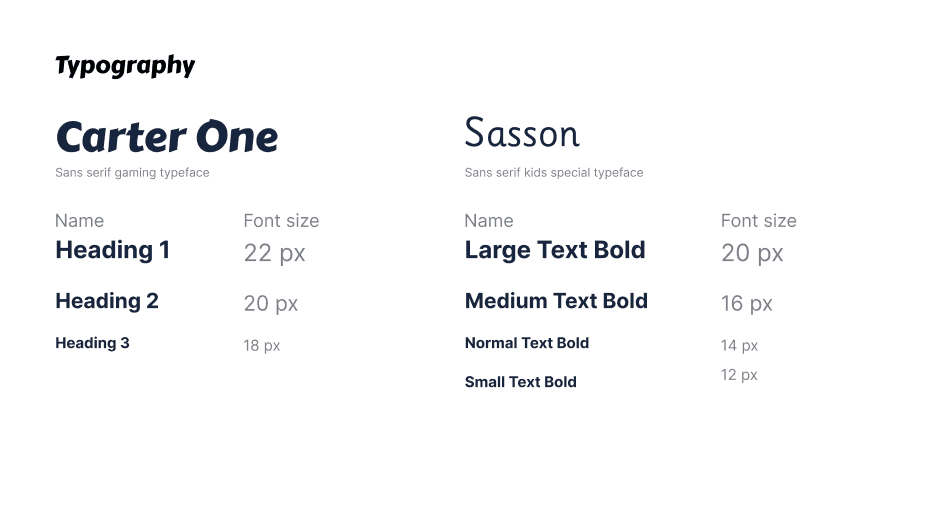


Link of the research I did for graphic user interface.
Conducted usability testing in order to obtain practical, real-time feedback to improve the design and provide a more optimal user experience. Here’s the link to the report.
Testing and Iterations
Added a ‘rechoose’ button, so that users always a choice.

Before

After
KID #1
“No, I want jerry to win. Why can’t I choose again?”
Changed the reward button, for better consistency.


Before
After
Parent #2
Confused if this is an action button and different from others?
Reduced- rearranged buttons, for better experience.
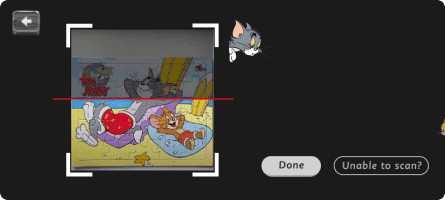
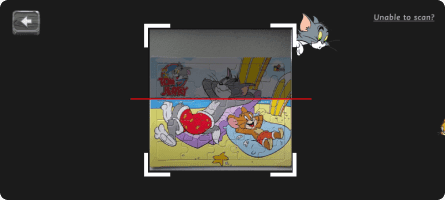
Before
After
KID #3
Confused because of too many buttons (not required).
Prototyping the concept
Given the speculative nature of this project, I relied on using video prototyping as a tool to convey the story of PuzzleYou. I approached the video like an advertisement for a gaming application. The priorities were to and make it engaging (have a hook in the first 10s).
I created a storyboard, animated and edited the video.

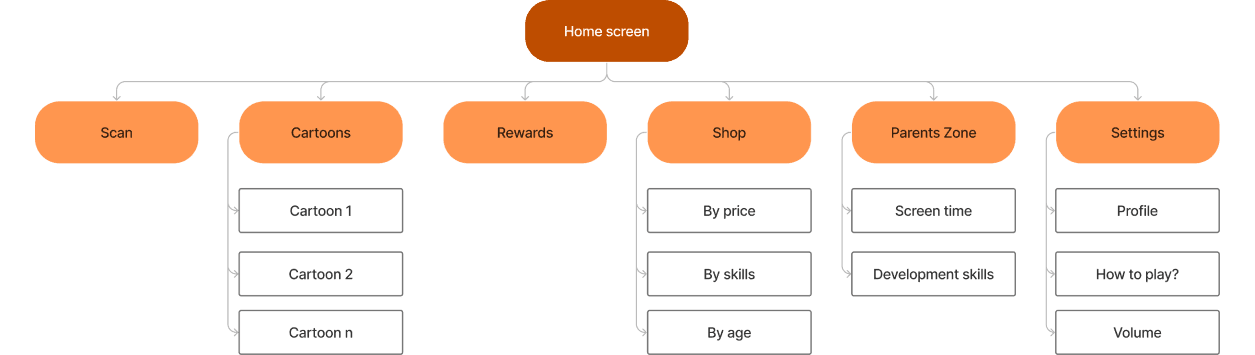
Information Architecture
Since the primary users are kids, I kept the application architecture simple and flat.


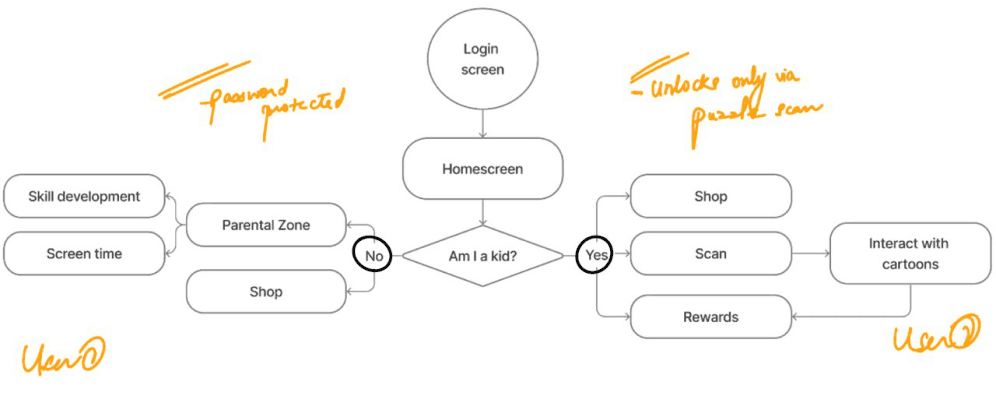
User #2
As a young parent, I want my kid to use phone wisely so that they develop essential skills.
User #1
As a child who loves cartoons, I wish to be jerry so that I can defeat dumb tom everytime.
I then mapped out a user flow for both the user personas- kids and their parents with their respective end goals.



Focus
UX Research, Problem solving, UI (Figma), Usability testing
Duration
3 weeks (85 hours)
Sector
Toy Industry, Kids, Gaming
Overview
Introducing an initiative: a synergy of classic toys and digital play. We reintroduce timeless toys into the market, prioritizing digital safety. With classic games acting as the key to unlock new digital dimensions. Let's shape a new era of play that fosters engagement and holistic growth for the next generation!
Problem
Post-2014, toy industry losses led companies to shift to technical toys. With less positive impact on kids development.
Reason
Nuclear families limit children's playmates, hindering skill development. Popularity of phone games due to their immersive nature, heightened during COVID.
Approach
To merge immersive phone games safely, classic games must act as the gateway to unlock the digital level.
Background
For a class project, we were urged to think about an industry and it’s challenges. We could look anywhere. I chose toy industry because of it’s rising prices.
DEFINE
Problem Space
Overview
RESEARCH
User Research
Statistics
Market analysis
Insights
DESIGN
Design System
High Fidelity Prototype
Usability Testing
IDEATE
whys and hows
Prioritizing Features
Storyboarding




Since the root cause of the problem can lie deep inside why and how kids play and react to modern games, benefits of traditional ones and usage of phones. I decided to change the perspective from pricing issues to gaming experience.
Pivot!
What, why and how has kids behaviour changed with the shift from traditional to digital games.
Let’s dive into the Research:
Cause #1
Usage of phones
Average screentime of a 7 year old is 4.5 hours, as per WHO. Depending majorly on ethnicity and parental education.
cause #2
Role of parenting
In nuclear families, kids lack playmates. And busy parents can't always join. Children imitate phone usage, mirroring parental actions.
result #1
Behavioural change
Ages 3 to 8 are crucial for shaping behaviour. Misusing phones during this stage can heighten aggression and irritability in children.
Result #2
Reduced skill growth
Classic games enhanced cognitive and social skills in kids. Today's children lack opportunities for such vital skill development.
threat
Inappropriate use
Excessive phone use may lead to hyperactivity and attention issues. Inappropriate content on the internet impacts the thoughts for young children.
Strength
Digital skills
The digital shift is undeniable. Parents fear limiting phones may hinder children's development like digital literacy and hand-eye coordination.
Opportunity
Virtual babysitter
Phones serve as babysitters for busy parents. It has a power to keep the kids engaged. Addressing time constraints in parenting.
weakness
Post covid
During pandemic, digital education and screen habits became common. Even now, education remains deeply rooted in digital platforms. Thus, becoming a necessity.
In 2022, post covid pandemic, companies shifted to modern toys and as a result of kid’s demand for new toys, prices increased.
Up until here, my focus was on pricing of toys and the keyword to the solution was rental toys. But then I realised,
As children, we did not have toys. We invented characters and animals; we invented stories.”
- Rithy Panh, Screenwriter
“
Children typically request new toys, and since toys can be costly, this results in additional expenses. Moreover, children often tend to disregard their existing toys once they receive new ones. This approach negatively influences children's behaviour.
I know the simplest solution is - stop giving phones to them. But eliminating phones is extremely hard. In fact, even before I list out the reasons, if you’re a parent, I’m sure you know exactly what I'm talking about.
All of this has something to do with kids behaviour
Existing applications
Khan Kids Academy
Monkey Preschool
Endless ABC
Byjus Kids
Company
Mission statement
A free, world-class education to anyone, anywhere.
Fun interactive games to entertain kids.
Delightfully interactive educational app.
Redefine how the world learns and breaking the barriers to quality education
Target market
Govt. school children
Agr group 6-10 years.
Age group 4-10 years.
Grade 1 to grown-ups
Pricing /month
Free forever
Rs. 130 for ad free
Rs. 600 for full version
Rs. 3,333.33/month
Strengths
Playful UI
Innovative educative game
Teacher tools
Playful UI (levels)
Educative games
Characterised
Playful UI
Educative games
Parental control
Playful Games
Animated Learning
Progress reports
Weaknesses
Ux for 5 years above
Offline mode not available
Narrowed down concept
A little boring for long time
Narrowed down concept
Paid
Paid
Features
Onboarding
Parental aspect
Interactive
Gamification
Interviews
15+
Types
Open ended (In person), Pain point based, Observation
Platform
Telephone
Interviews and surveys

Defining engagement
Insight #1
Screen time
Parents prefer an appropriate duration of screen time that doesn't impact their kids vision or mental well-being.
Insight #2
Toys preference
Parent’s decision making factors:
usage
Cost
Demography
Insight #3
Reward system
Kids are dedicated to do an act when they love the reward. Try finish your homework and then you can go outside to play.
Insight #4
Engaging storylines
Kids cherish cartoons as the characters and storylines become their friends in a world they relate to the most.
My kid loves stories and he always imagines if he was one of the character, what he would do next in the story.”
- Leona, Mother of a 5 year old
“
Games
Stuff teddy
Books
Cartoons
Music
INTERESTS
Classic games
Creative games
Digital games
Educative games
LIKINGS (for kids)
Obeying
Creative
Accepting
Busy
Gamer
Ignorant
Cartoons
Bored
PERSONALITY
Aggressive
Lazy
Alone company
TRAIT 1:
TRAIT 2:
TRAIT 3:
ABOUT
Diksha is a 5 years old girl born in a middle class family. She is a single child and gets bored of toys too soon. As her mom is busy in home chores, she likes spending time on phone now. YouTube cartoons and games are really fun.
NEEDS
I want new toys.
An anytime every time person to play games with.
Mom to understand I use phone for entertainment and let me use it.
FRUSTRATIONS
Old toys are boring.
Mom doesn’t like me using phone.
Diksha Jain
5 years old
Bhilwara, Rajasthan
Mumma phone dete hi nhi hn.
Meri favourite toh meri disney doll hai kyunki voh bhot BEAUTIFUL hai and uske HAIRSTYLES bhot saare ho skte hn

Books
Movies
Music
Cooking
INTERESTS
Classic toys
Screens
Digital games
Educative games
LIKINGS (for kids)
Rich
Aware
Busy
Patient
Middle class
Not much
Time Rich
Impatient
PERSONALITY
Money concerned
Curious
Tired of phone demands
TRAIT 1:
TRAIT 2:
TRAIT 3:
ABOUT
Anju is a mother of a 5 year old boy, living in Surat, Gujarat. She is a BBA graduate and now a housewife. She bought her kid toys last week but he is bored of them already. And she is slowly observing the behavioural changes in him.
NEEDS
Understand her son’s behaviour and reasons.
Better toys for son to attach to.
A way to keep her son busy but productive.
FRUSTRATIONS
Her son is watches silly reels on phones.
Son developed anger issues
Toys are really expensive and then son gets bored of it.
Anju Patel
31 years old
Surat, Gujarat
Aaj kl toh bache bhot jaldi bore ho jate toys se pr har baar dila bhi nhi skte kyunki mehange hote hn.

From the data I collected, I formulated an optimal user journey for kids, aiming to pinpoint specific pain points at each stage and develop an ideal user experience accordingly.
and are always there to play with her
New toys
Mom is also busy
No one to play with
Need something exciting in life
More friends
friends who are free
Interesting toys
While existing applications effectively educate and engage kids, the predominant focus is on one medium—screens. Despite its advantages, this approach lacks the incorporation of physical activities essential for fine motor and brain development skills.
#1 Be open to new directions
When I was midway through my research and had some raw concepts, a critical conversation with my fellow mates gave me some fresh ideas. Initially I tried to justify my original idea but then I recognized the value of these suggestions in refining my project.
#2 Always research for similar market innovations
There is always a solution, be it minor or significant, to every problem. You’re always innovating something. I realized this when after I finalised my phygital gaming aspect, I came across LEGO FUSION which inspired and gave me a better direction.
#3 Observe> listen
As my users belong to the younger age group (3-8), they were not able to express how seamless the task flow was. I refined my interface based on observations of their hand-eye movements.
I'm happy that I was able to work on a project for kids, because it was different than my other projects. Creating a seamless experience for kids which even parents agree to was a bigger task.
Learnings and Takeaways
Focus
UX Research, Problem solving, UI (Figma), Usability testing
Duration
3 weeks (85 hours)
Sector
Toy Industry, Kids, Gaming
Overview
Introducing an initiative: a synergy of classic toys and digital play. We reintroduce timeless toys into the market, prioritizing digital safety. With classic games acting as the key to unlock new digital dimensions. Let's shape a new era of play that fosters engagement and holistic growth for the next generation!
Approach
To merge immersive phone games safely, classic games must act as the gateway to unlock the digital level.
Reason
Nuclear families limit children's playmates, hindering skill development. Popularity of phone games due to their immersive nature, heightened during COVID.
Problem
Post-2014, toy industry losses led companies to shift to technical toys. With less positive impact on kids development.
Background
For a class project, we were urged to think about an industry and it’s challenges. We could look anywhere. I chose toy industry because of it’s rising prices.
From the data I collected, I formulated an optimal user journey for kids, aiming to pinpoint specific pain points at each stage and develop an ideal user experience accordingly.
Interviews
15+
Types
Open ended (In person), Pain point based, Observation
Platform
Telephone
Interviews and surveys
My kid loves stories and he always imagines if he was one of the character, what he would do next in the story.”
- Leona, Mother of a 5 year old
“


At this point I knew what the issue was, but to solve it I wanted to understand their root cause. In the process I also found out the areas my solution would lie in.
Crawling down the steps towards the core
To them, it's not two separate worlds. It's one world that blends together. It's all just play.”
- Senior Design Manager, LEGO
“
Then I prioritized all the possible ideas as primary, secondary and tertiary features using bull’s eye.
Since this was about gaming, I did not hold myself back from being as creative as a ripe sunset. I thought about mediums, engagement and much more.
Exploring possibilities
As a result of the above mentioned UX research, Root Cause Analysis design strategy was approached for positive user experience.
Problem solving



Link of the research I did for graphic user interface.
Prototyping the concept
Given the speculative nature of this project, I relied on using video prototyping as a tool to convey the story of PuzzleYou. I approached the video like an advertisement for a gaming application. The priorities were to and make it engaging (have a hook in the first 10s).
I created a storyboard, animated and edited the video.

After forming a good idea of what one of many possible experiences and how the entire game would work, it was time to design.
Let’s develop the solution:
User #1
As a child who loves cartoons, I wish to be jerry so that I can defeat dumb tom everytime.
User #2
As a young parent, I want my kid to use phone wisely so that they develop essential skills.
I then mapped out a user flow for both the user personas- kids and their parents with their respective end goals.
Information Architecture
Since the primary users are kids, I kept the application architecture simple and flat.
I'm happy that I was able to work on a project for kids, because it was different than my other projects. Creating a seamless experience for kids which even parents agree to was a bigger task.
Learnings and Takeaways
#1 Be open to new directions
When I was midway through my research and had some raw concepts, a critical conversation with my fellow mates gave me some fresh ideas. Initially I tried to justify my original idea but then I recognized the value of these suggestions in refining my project.
#2 Always research for similar market innovations
There is always a solution, be it minor or significant, to every problem. You’re always innovating something. I realized this when after I finalised my phygital gaming aspect, I came across LEGO FUSION which inspired and gave me a better direction.
#3 Observe> listen
As my users belong to the younger age group (3-8), they were not able to express how seamless the task flow was. I refined my interface based on observations of their hand-eye movements.

What, why and how has kids behaviour changed with the shift from traditional to digital games.
Let’s dive into the Research:
In 2022, post covid pandemic, companies shifted to modern toys and as a result of kid’s demand for new toys, prices increased.
Up until here, my focus was on pricing of toys and the keyword to the solution was rental toys. But then I realised,
Existing applications
While existing applications effectively educate and engage kids, the predominant focus is on one medium—screens. Despite its advantages, this approach lacks the incorporation of physical activities essential for fine motor and brain development skills.
Since the root cause of the problem can lie deep inside why and how kids play and react to modern games, benefits of traditional ones and usage of phones. I decided to change the perspective from pricing issues to gaming experience.
Pivot!
Cause #1
Usage of phones
Average screentime of a 7 year old is 4.5 hours, as per WHO. Depending majorly on ethnicity and parental education.
cause #2
Role of parenting
In nuclear families, kids lack playmates. And busy parents can't always join. Children imitate phone usage, mirroring parental actions.
result #1
Behavioural change
Ages 3 to 8 are crucial for shaping behaviour. Misusing phones during this stage can heighten aggression and irritability in children.
Result #2
Reduced skill growth
Classic games enhanced cognitive and social skills in kids. Today's children lack opportunities for such vital skill development.
Opportunity
Virtual babysitter
Phones serve as babysitters for busy parents. It has a power to keep the kids engaged. Addressing time constraints in parenting.
weakness
Post covid
During pandemic, digital education and screen habits became common. Even now, education remains deeply rooted in digital platforms. Thus, becoming a necessity.
Strength
Digital skills
The digital shift is undeniable. Parents fear limiting phones may hinder children's development like digital literacy and hand-eye coordination.
weakness
Post covid
During pandemic, digital education and screen habits became common. Even now, education remains deeply rooted in digital platforms. Thus, becoming a necessity.
Children typically request new toys, and since toys can be costly, this results in additional expenses. Moreover, children often tend to disregard their existing toys once they receive new ones. This approach negatively influences children's behaviour.
I know the simplest solution is - stop giving phones to them. But eliminating phones is extremely hard. In fact, even before I list out the reasons, if you’re a parent, I’m sure you know exactly what I'm talking about.
All of this has something to do with kids behaviour
As children, we did not have toys. We invented characters and animals; we invented stories.”
- Rithy Panh, Screenwriter
“

Bringing back the childhood play


Submitted at-


Conducted usability testing in order to obtain practical, real-time feedback to improve the design and provide a more optimal user experience. Here’s the link to the report.
Testing
Before
After
KID #3
Confused because of too many buttons (not required).
Reduced- rearranged buttons, for better experience.
Before
After
KID #2
Confused if this is an action button and different from others?
Changed the reward button, for better consistency.
Before
After
KID #1
“No, I want jerry to win. Why can’t I choose again?”
Added a ‘rechoose’ button, so that users always a choice.
Defining the play
A combination of digital and analogue play. PuzzleYou would include cartoons as well as board game. Basically, jigsaw puzzle would act as the gateway to unlock the digital level.
Helps in cognition by enhancing mental speed, concentration and short-term memory.

Helps in hand-eye coordination through grasping and matching jigsaw pieces together.

Helps in fine motor skills with finger movements and coordinated piece manipulation.

Helps in brain development with kids' memory and problem solving in interactive play.

Why Jigsaw puzzle?
Why Cartoons?
Kids of early age are drawn to cartoons because of the colourful- imaginative visuals, entertaining storylines and sense of humour. It is a whole world to them until they actually start exploring outside.
Solve
Scan
Interact


